lessons from a bruised pear
🗓️ August 10, 2024 📖 8 min read
Grocery shopping was often a tedious exercise when I was a kid.
That’s not to say I didn’t relish those visits. They were the best.
My mother could spend what seemed like hours deliberating over meat cuts, and was always hunting the aisles for bargains or some imported snack that reminded her of home - crab roe flavoured broad beans, pickled radish, and those weird-looking packets of wheat gluten. If you know… you know.
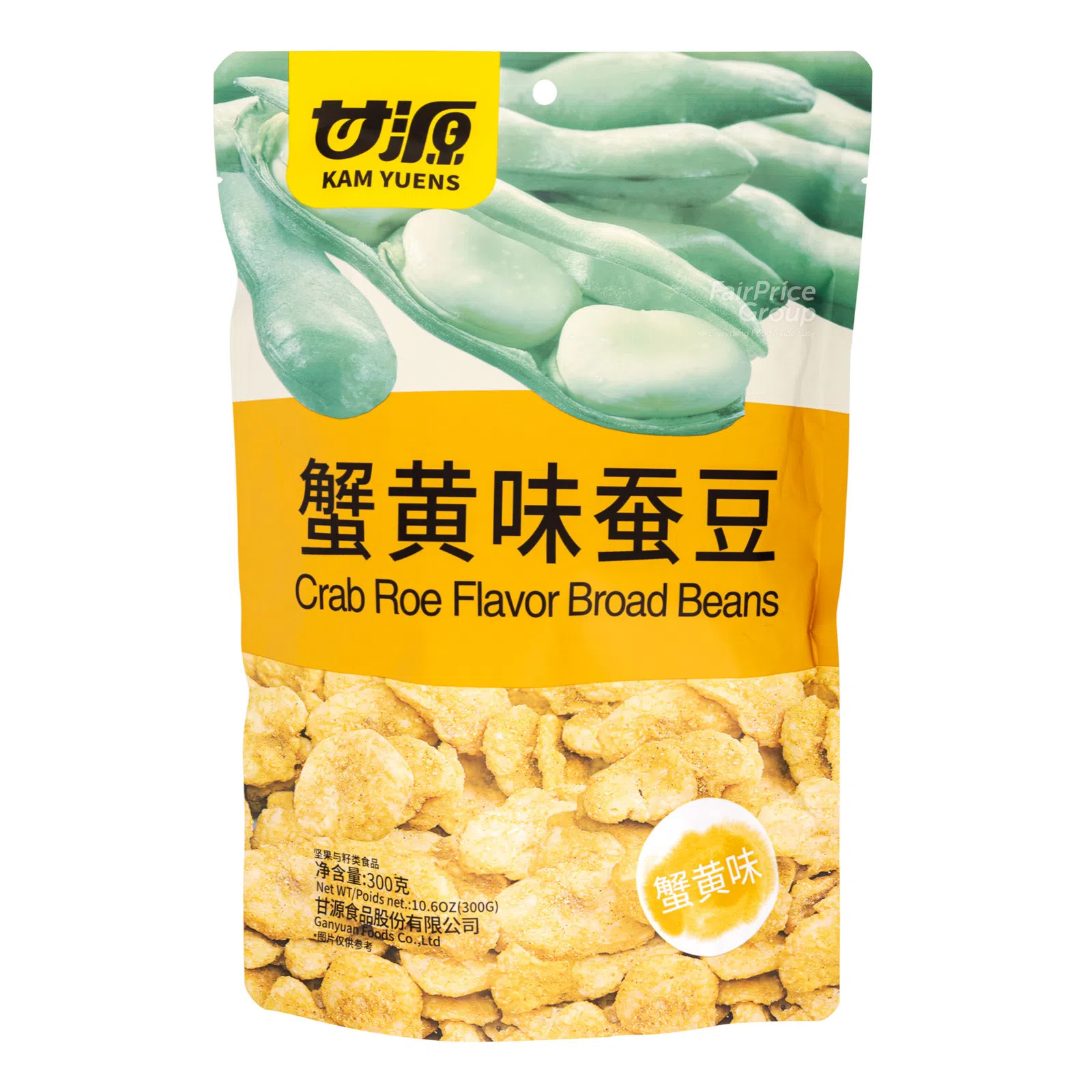
I’d find ways to keep myself busy. I exhausted all the possible utilities and pleasures of the shopping cart, experimenting with every imaginable seating arrangement, and pretended I was racing other kids (they didn’t know… but I was winning). More often, I would lose myself in tasty daydreams, making elaborate wishlists of snacks and nibbles that I wanted to try but I knew I wouldn’t get (a habit I still practice to this day).
But one of my favourite parts - or at least the most mysterious - was the produce section. Adults approached fruit like it was a sacred ritual: tapping, sniffing, squeezing with silent authority. I studied my mom as she cradled watermelons like newborns, listening for secrets in peaches and plums. I copied her movements, convinced that one day I’d hear the exact thud that meant “ripe”. Fruit-whispering felt like peak adulthood - an elusive skill I’d someday unlock.
It is rarer now for us to shop together. As lockdown restrictions were easing, I remember a time where I accompanied her to our local T&T Supermarket (a large Chinese grocery chain in Canada). These occasions feel much more special (exciting even!), particularly when they were seemingly outlawed for the last several months.
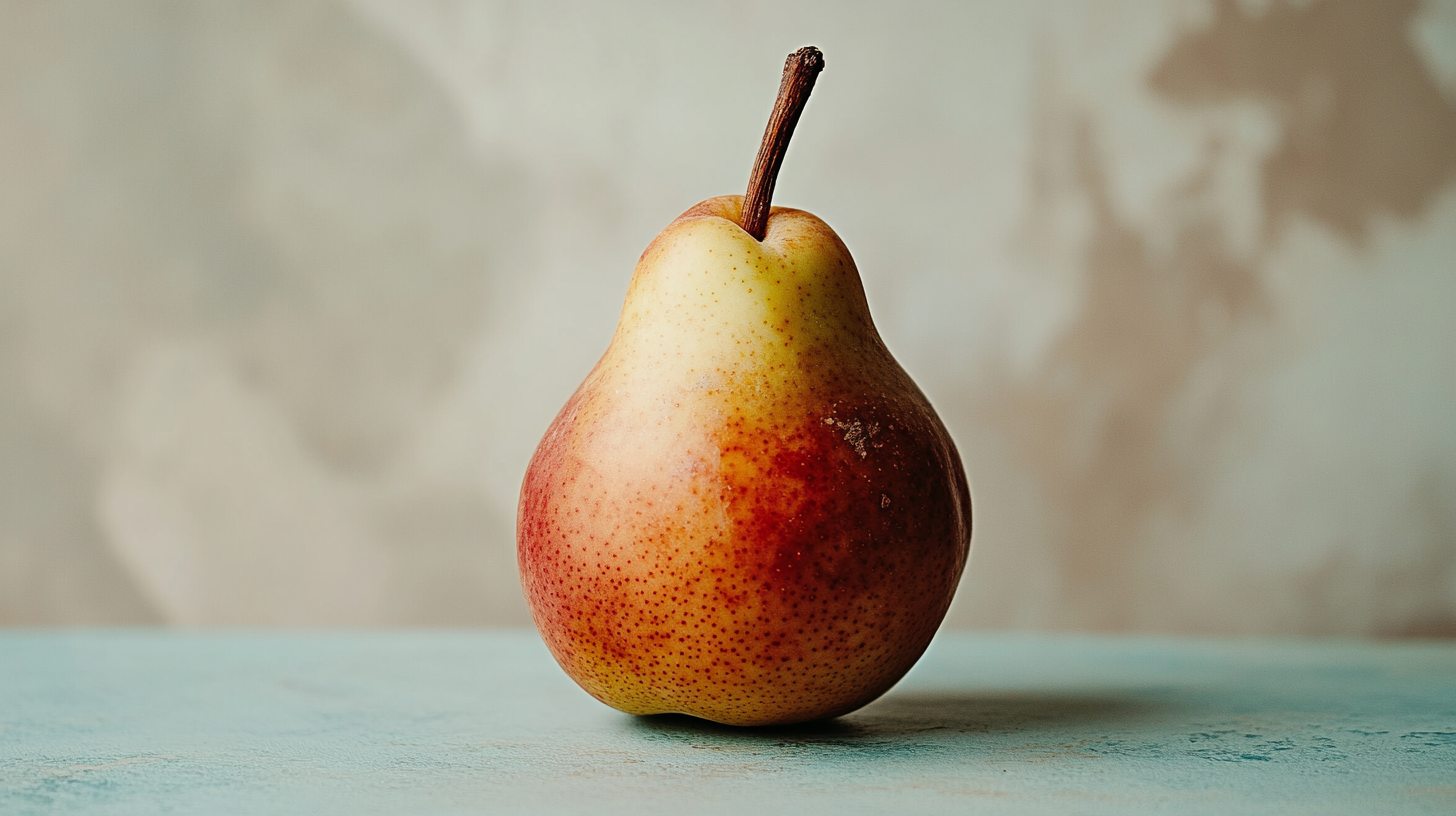
While browsing the produce section, my mom dropped a pear on the ground. Instead of returning it to the pile, she put it in her basket.
“Mom, put it back.”
My initial reaction was one of bewilderment, and instant protest. “We don’t want that one.”
“I bruised it,” she explained matter-of-factly, “so I should buy it.”
“But… no one will know.”
And I realised that was precisely why this was so impressive to me. It would be too easy to discreetly replace the pear. I mean, isn’t that part of the unspoken ritual? To sift through the pile and secure the best one for yourself?
I wasn’t entirely convinced myself. I quieted down as we strolled down the aisle.
"It’s Fine. No One Saw."
From a purely consequentialist view, the impact of a single bruised pear is negligible - a drop in the ocean of global food waste. The store probably tosses kilos of unsold produce every night. So what does one pear matter?But this view misses the point.
The weight of our actions isn’t solely measured by their immediate consequences (or lack thereof). Consequences are a powerful deterrent - modern justice systems and our perception of moral order largely depend on that logic. But in practice, consequences aren’t distributed evenly - and they’re not consistently fair. They can be delayed, arbitrary, sometimes nonexistent. Which means the only person who can reliably hold you accountable… is yourself.
It’s in the moments when no one is watching, where the hallmark of a ‘good’ person is tested - no applause, no consequence, no one to impress. The temptation to cut corners in these small, private moments is easy to rationalise, and they’re easy to get away with. And yet, it’s in those moments that integrity is shaped. Think of it like muscle memory: every time you choose the right thing, you’re training your brain to do it again. You can literally reinforce the neural pathways of ethical behaviour (no peer-reviewed study cited, but like… probably?)
I’m reminded of the story of a Citigroup trader in London, reportedly earning more than £1m a year, who was fired for stealing sandwiches from his local office canteen (and as schadenfreude will have it, weeks before his annual bonus!). Petty theft, sure. But also a massive red flag. Not because of the club sandwich, but because it signals a larger ethical failing: the belief that status exempts you from the rules. A sense of entitlement. It’s a slippery slope from these small transgressions to larger ones - stories that we’ve seen again and again play out in news cycles, in boardrooms, in public outrage. We love a good downfall, especially when the villain wears cufflinks.
A Quiet Rebellion at the Fruit Aisle
And why not eat a bruised pear?
Because maybe it’s a small protest. We expect pristine, unblemished produce year-round, regardless of season, supply chain, or common sense. I think my mom choosing that pear was her rejection of that delusion - and also, simply, a refusal to let something go to waste. Why leave behind a perfectly edible piece of fruit just because it didn’t look the part?
And maybe it goes even further than that. Maybe the pear is a proxy for the broader global food system - the absurd standards, the food waste, the carbon footprint, the labour conditions of the workers that we’ll never see. If we trace the moral threads far enough, the whole thing gets a bit grisly.
I’m getting a little carried away here - we don’t need to solve the global food crisis in one grocery trip. Sometimes, it’s enough to just not be the person who bruises the fruit and then puts it back like it’s someone else’s problem.
Or better yet, be the person who picks the bruised apple, the scuffed ‘aubergine’, the pear with a dent in its pride. “Ugly” produce is having a moment - with Misfit Markets (US) supposedly surpassing a $2B valuation; Oddbox (UK) doing weekly and fortnightly doorstep deliveries (unclear if it’s a zero-carbon last-mile situation); and ‘wonky’ veg now its own category in UK supermarkets. There are plenty of options - though ironically, I’ve noticed the curated and branded versions often cost more than the regular stuff.
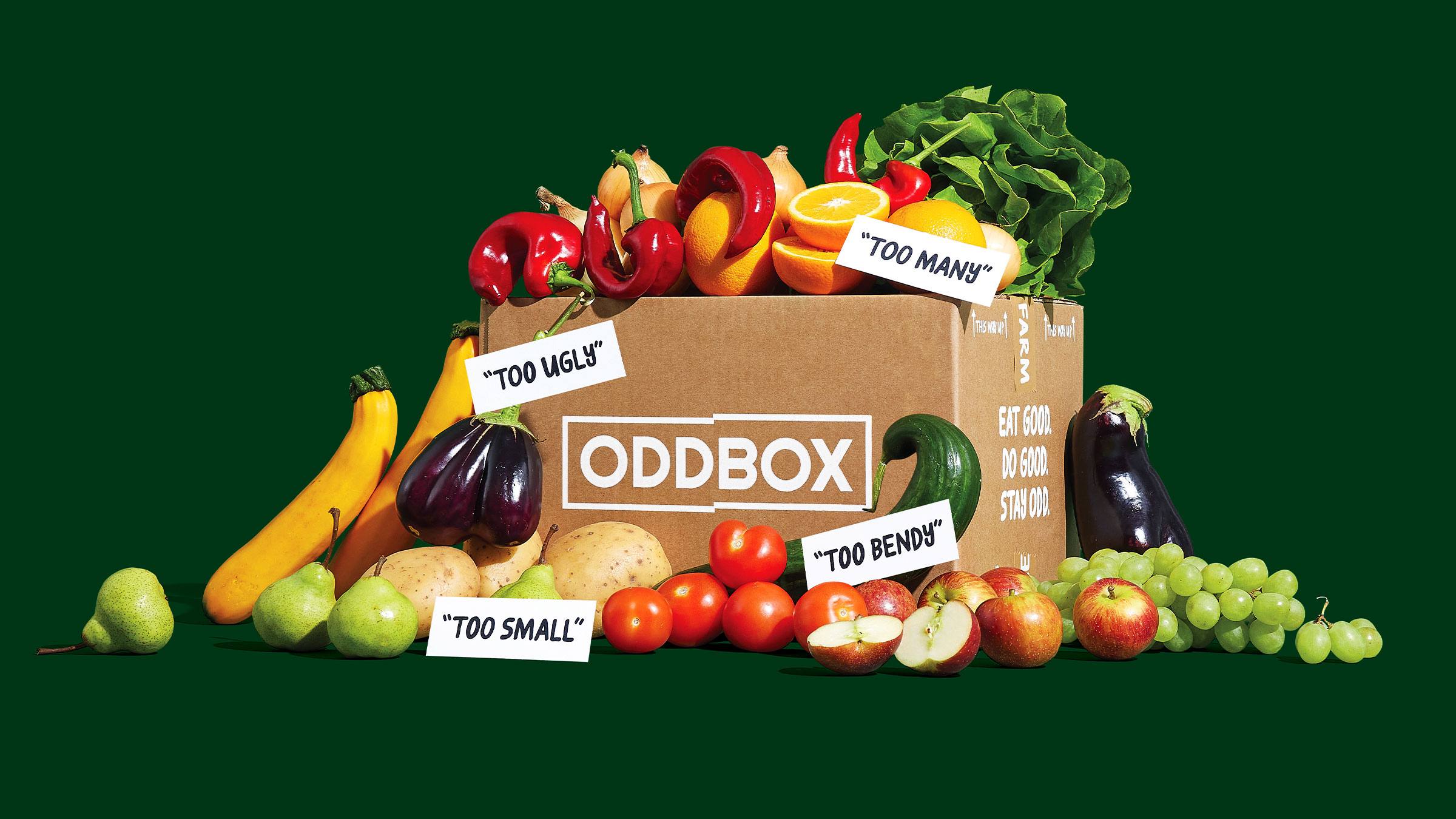
But go to any local grocer - or even a big-name chain - near closing time (or on the right day of the week) and you’ll find the same bruised, bumped, and oddly-shaped produce piled high, discounted, and perfectly good. Or just use Too Good To Go, grab two week’s worth of mystery veg for less than 5 quid, prep it, freeze it, and survive on pennies on the dollar.
Sometimes doing the right thing is just… practical. You’re welcome!
This Is Not About the Pear (Except It Is)
It’s easy to feel like our choices don’t matter - like they barely register against the Big Bads of industrial agriculture, late-stage capitalism, and consumerism. Food waste, climate doom, economic inequality… it’s a lot. And yes, the scale of it all can be overwhelming - even paralyzing.
But change doesn’t start with scale. It starts small. In the habits we form, the things we tolerate and stick up for - even when it’s inconvenient (and expensive). It’s not about perfection, but about consistent, intentional action.
By making conscious choices day-to-day, we begin to shift larger systems.
Maybe that’s the real lesson of the bruised pear: our character isn’t built through grand gestures, but through the quiet accumulation of small decisions. And the weight of those choices lies not just in their immediate consequences, but in their role in shaping who we are - and who we’re becoming.
So what does that mean, practically? It means handling the pear gently. Returning the borrowed pen. Telling the truth, even when a small lie would be easier. We’re not just doing the “right” thing in isolation - we’re reinforcing our own ethical baseline. We’re building a life we can be proud of, one choice at a time.
And in a world of messy, interconnected systems, those small decisions ripple outward in ways we may never fully understand. Hopefully, they land somewhere good - and maybe, someday, make their way back to you.
These days, my mom is much faster at the store, just grabbing a few things that we need. It seems like years of my dad’s playful ribbing about her hour-long grocery expeditions might have made a difference.
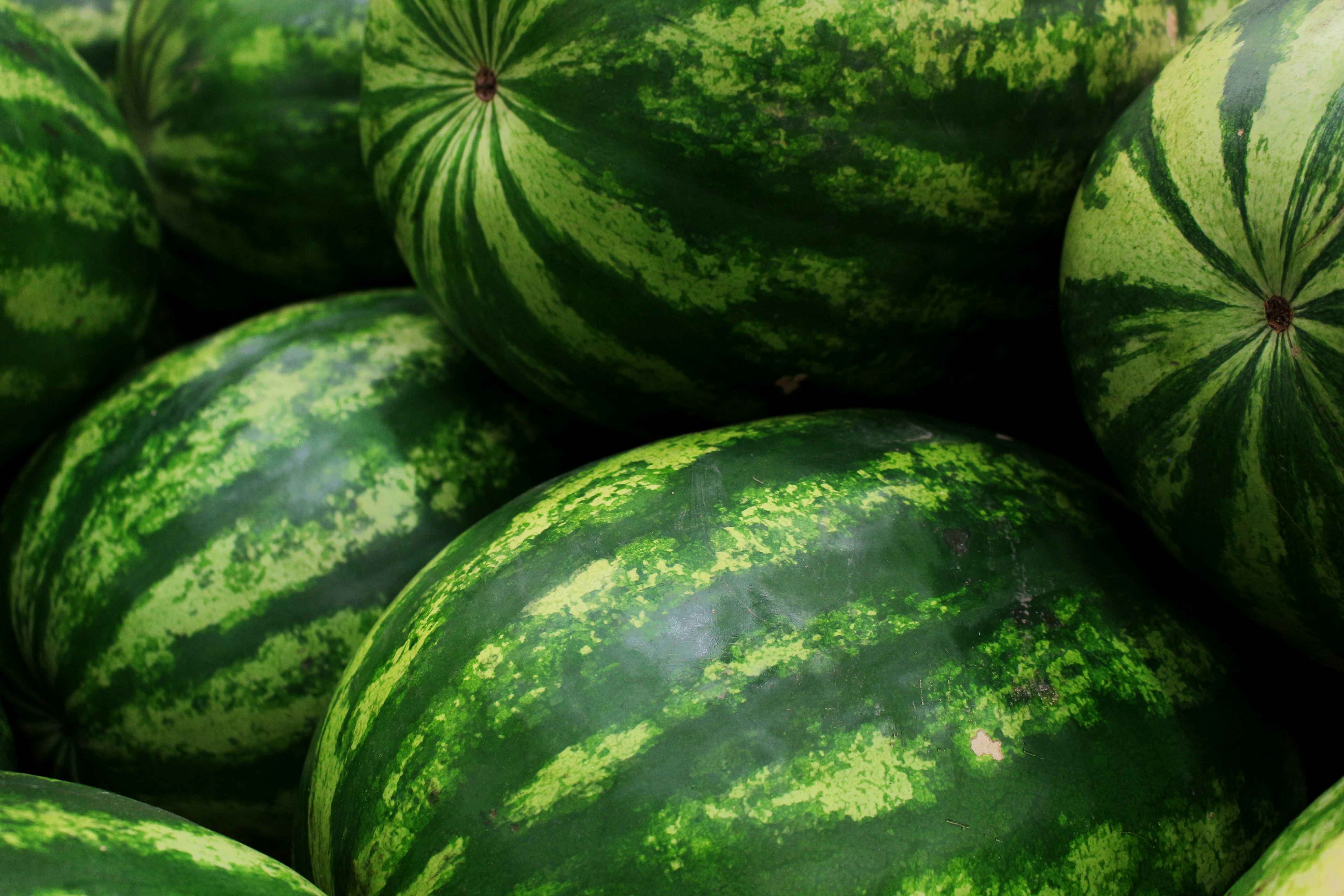
I asked if she knew what she was looking for while tapping the fruit, and she admitted that she wasn’t so sure - she still gets it wrong half the time.
I still tap melons and gourds, listening for that deep, hollow sound that’s supposed to signal peak ripeness. But it’s a tricky slope to ‘overripe’. And honestly, I’m not convinced I’ll ever get it right either.
Maybe that’s the point. Adulthood - and goodness - doesn’t come with clear signals. Sometimes you choose well, sometimes you miss the mark. But you keep tapping, keep trying, keep showing up. Not because you’ll always get it right, but because you want to be the kind of person who tries.
Especially when there’s a curious, cart-bound kid nearby, quietly watching - and learning what to do next.