perfect days, and in pursuit of romancing the mundane
A review of Perfect Days by Wim Wenders
🗓️ July 19, 2025 📖 11 min read
Eric was in London again. He visits probably once a year, and somehow it always seems to be during the most chaotic of moments. I hosted him for a week or so, and I think I keep one-upping myself - this might’ve been one of the most frenetic periods of my life (although, to be fair, late 2022 / early 2023 probably still takes the cake).
Naturally, we were chatting about movies and Perfect Days came up, the 2023 Cannes darling with the near-perfect Rotten Tomatoes score. I loved Wim Wenders’ magnum opus, Paris, Texas (that movie shook me to my core).
But Perfect Days was a bit of a different experience.
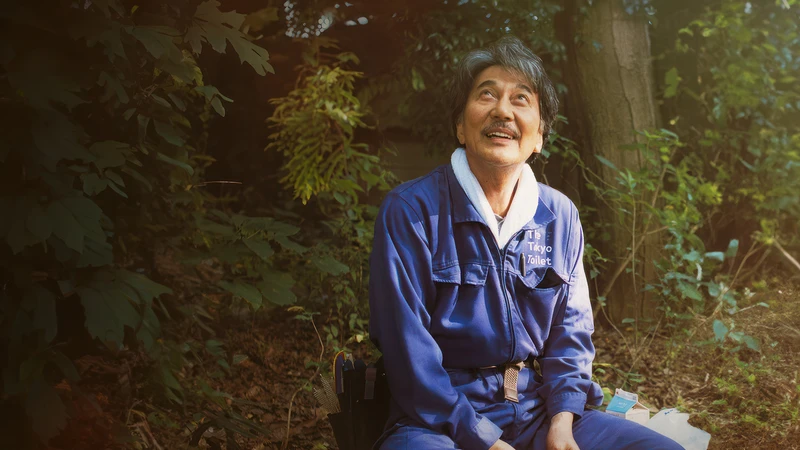
Honestly… I thought it was a bit boring. I’d put it on before bed with Stuart, and I think we’ve now collectively watched it around three times because I kept falling asleep and rewatching it. I’m also just sleep-deprived in general, so maybe those kinds of movies are not ideal at night. But anyone would agree that the pace is slow. The movie unfolds through watching the daily motions of Hirayama, a public toilet cleaner in Tokyo. It’s less about plot, and more about observing his life through repetition - his routine, habits, rituals.
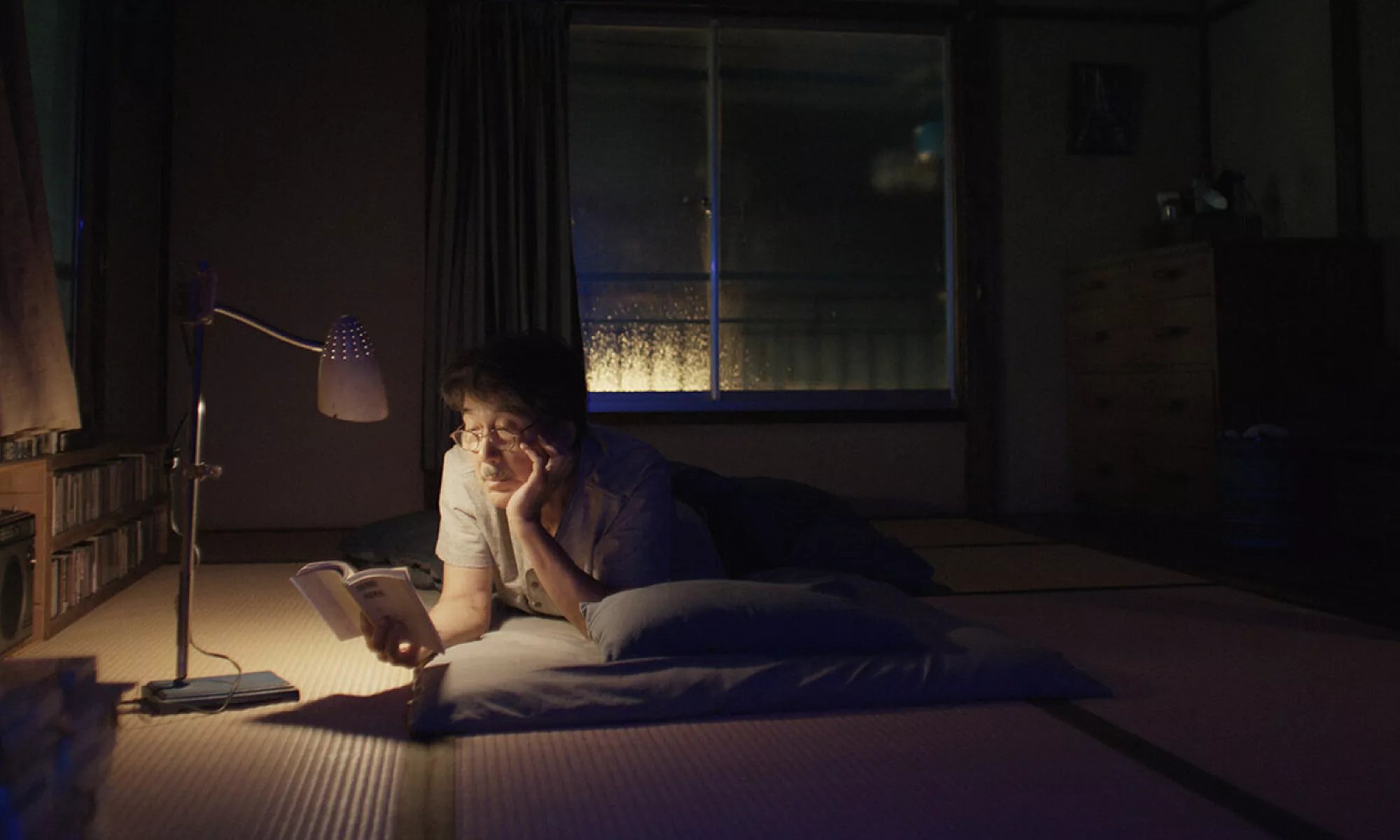
He wakes up early before dawn. He folds up his futon on the bamboo tatami in his austere apartment and cleans up diligently. He shaves every day, trimming his moustache with tiny scissors, and rides a bicycle to work. He eats the same sandwich lunch on a park bench, takes photographs of trees with a film camera, and plays an old-school game of tic-tac-toe with a stranger, move by move, through a slip of paper left in the bathroom wall. He listens to blues and rock ‘n’ roll on cassette tapes (Nina Simone, Lou Reed, The Kinks). He waters his plants, finishes a book each week (highbrow stuff like Faulkner). He develops his film on the weekend. It’s all so deliberate, disciplined - and for him, there’s nothing performative about it. It’s entirely intentional.
We talked about how one of Eric’s friends - someone we both know from high school - had also watched it based on his recommendation. He’s someone who really does live simply but is also very disciplined. Genuinely minimalist, he sticks to his routines. His life is repetitive and probably quite ordinary in some regards, but he works very hard on his personal projects and interests, often getting completely absorbed in them. And he said the movie bored him because it felt like watching himself go through the motions.
That stuck with me. Because maybe Perfect Days isn’t meant for people like him. I think it resonates more with those of us who are stressed, overstimulated, burnt out, for those for whom this life feels aspirational. It’s a daydream about living slow because we’re moving too fast to appreciate it; or we’re too distracted, undisciplined, and burned out to build a life that actually allows for that kind of stillness.
But a lot of the commentary around the film seems to prescribe meaning to its “simple living” aesthetic, attributing a quiet nobility to Hirayama’s stoic and minimalist life. But the life Hirayama leads isn’t really simple. Not in the soft, romanticised way people often mean.
What Wenders does so well is create that slow burn. His storytelling and character development is subtle but purposeful. In doing so, he creates meaning in Hirayama’s life by holding back - by showcasing the mundane, the routine, the rigour.
Yes, it looks peaceful. But it’s not easy. It’s boring, it’s hard. It’s why more of us don’t do it (and can’t).
There’s little external validation in the work Hirayama does - there’s no glory in scrubbing public toilets. And there are even moments in the film where others treat him poorly because of it. But he is exceptionally dignified in carrying out his job. He takes pride in doing his job and doing it well. In that dedication, there’s honour.
The slow and simple life is easy to romanticise - don’t we all, sometimes?
Living humbly, being genuinely happy with less, and with far less going on too. That, I think, is one of the sweeter and very human parts of life: a kind of romance you create for yourself in the everyday. The ability to create tiny scenes that make you fall in love with your life, especially when it isn’t easy or glamorous (and especially when things are a bit shit). Especially when life is ordinary, and a lot of it is.
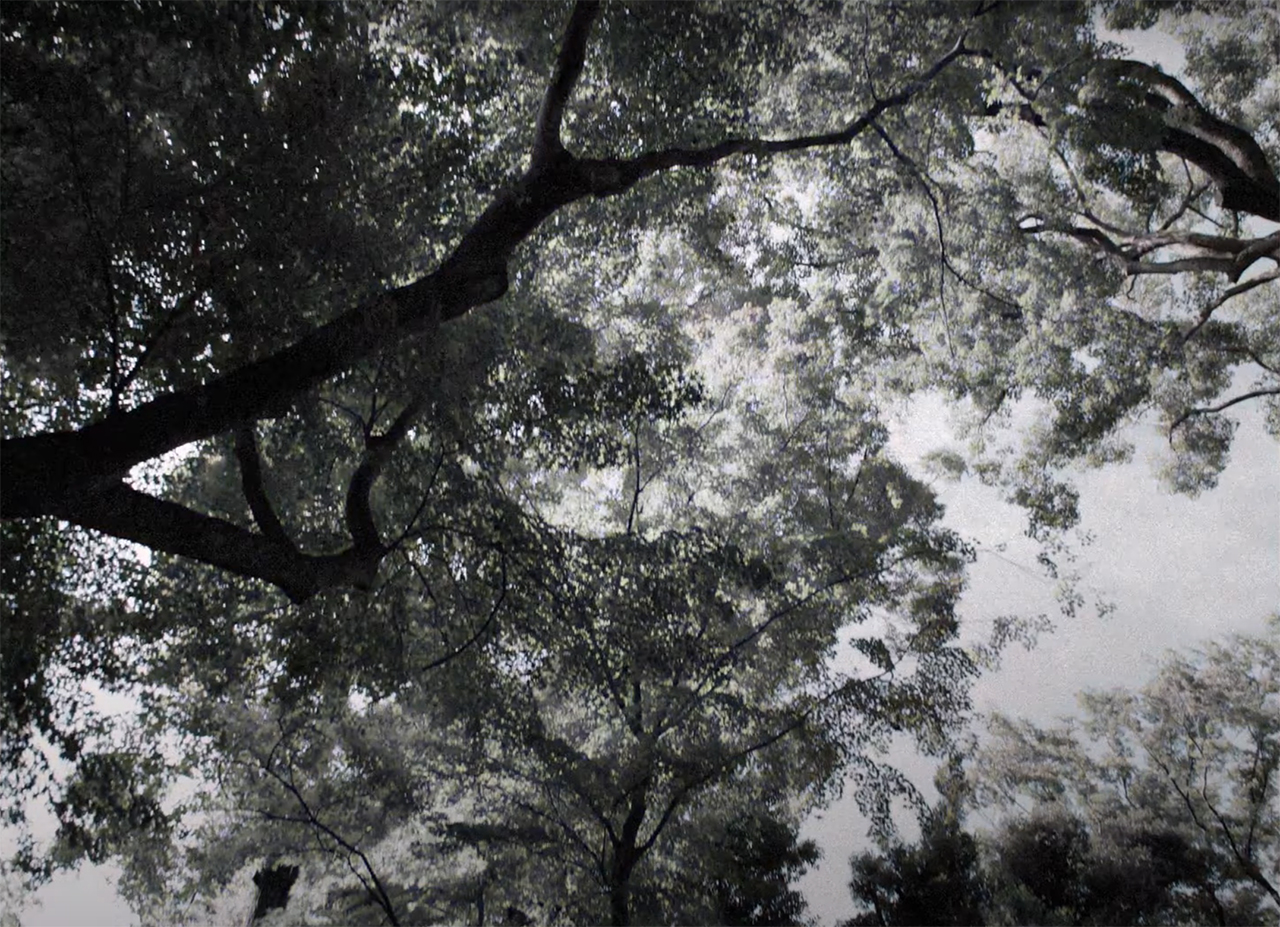
Noticing beauty when it isn’t obvious takes a certain kind of attention and skill, as well as a steady chug of optimism. Maybe that’s what people are trying to gesture at when they say, “I just want a quiet and simple life.” To actually want less - and to be content with that - is no small thing. It’s become a cliché, but there’s something honest in it.
There’s something voyeuristic in how we consume stories about “simple lives.” We watch from a distance - not to understand, but to feel something about ourselves.
The humble toilet cleaner in Perfect Days is someone easy to admire, but also someone easy to project onto. Hirayama’s life feels grounded and dignified, his sense of purpose uncomplicated. From afar, that seems beautiful. But I’d argue that it’s often those farthest from that reality - those cushioned by comfort and overstimulation - who find it most profound. There’s a fine line between admiration and appropriation, and sometimes what we’re really doing is indulging in a kind of performative reverence for a life we wouldn’t actually want to live… and dressing up someone else’s discipline and isolation as something ‘poetic’, just because it makes us feel something.
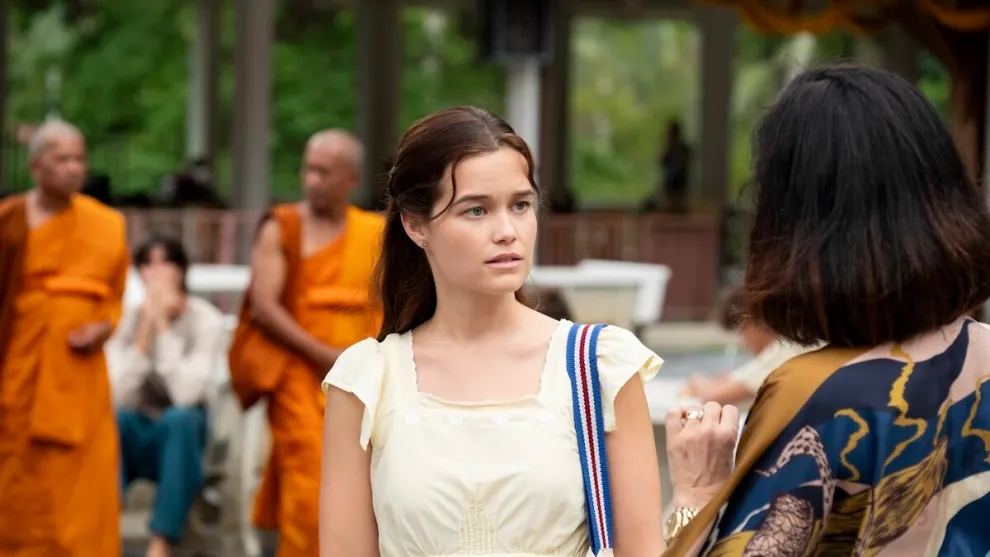
It immediately reminded me of the most recent White Lotus season, especially Piper’s storyline. I had just finished watching it last weekend, so maybe this hit a little harder, but it is right on the nose. She spends most of the season preaching about Buddhist principles and honestly comes across as one of the more sane, morally grounded members of the Ratliff family. And then, right at the last episode, she’s completely unmoored by the idea of living like an ascetic after just one night sleeping in the monastery. It’s such a 180 - and in its own way, kind of perfect.
Like the — the food… I mean, it was vegetarian, but it — I don’t know… You could tell it wasn’t organic. And it was just kind of bland and… I don’t know, I was kind of like, could I like really eat this for a whole year?
And then — oh god — I went back to my room and it was this like tiny little box with a mattress that had stains on it, and no air conditioning.
And… I know, I know I’m not supposed to be attached to this kind of stuff, and I don’t want to think that I am. But like — I don’t know. I think I am. I know I am.
Like the idea that I’m like — that I’m like this princess who needs things to be a certain way— it’s just so pathetic.
This film isn’t really for those who already live simply. It feels more directed at those who aspire to - the ones burnt out by noise, seeking refuge in stillness. But there’s an irony in that. Because it’s often people with a certain kind of privilege - the time, the headspace, the access - who are most drawn to this aesthetic (myself included, in many ways). The ones checking into beautifully branded mindfulness escapes and digital detoxes, curated to help you disconnect - but just enough to talk about it (and post about it) after.
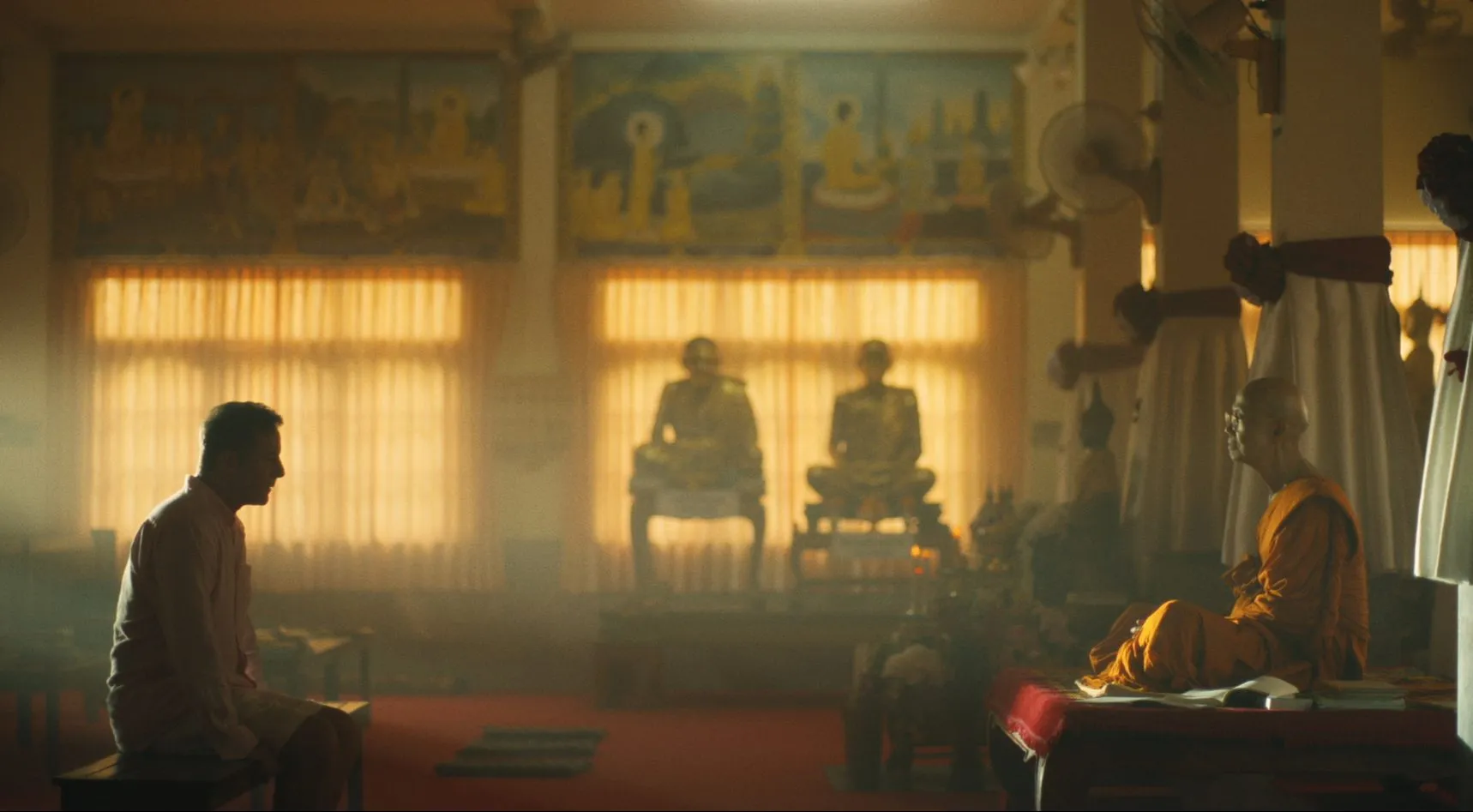
It’s not simplicity. It’s the performance of simplicity. The selective aesthetics of slowness, sold to people who can afford to dip in and out whenever they choose.
Perfect Days shows us what it doesn’t say, in the silences, the rhythms, the labour of routine. It asks us to notice that simplicity - or maybe more accurately, austerity - is a choice. A deliberate one, and a tough one.
Because it’s not just about opting out of chaos. It takes effort. Discipline. A kind of internal structure that’s hard to maintain, especially in a world that constantly pulls us towards distraction and noise. That’s what makes it both admirable and, at least for me, deeply challenging.
And with that deliberate choice comes a kind of loneliness. A little sadness, too. Hirayama’s pulling away from society - especially from the mainstream pleasures of modern Japanese life, with all its constant stimulation, sensory overload, entertainment (and the boom anime babes that make you think the wrong thing) - allows him to be present with himself in a way most of us aren’t. In a culture overflowing with convenience, distraction, and consumption, his analog world feels almost subversive.
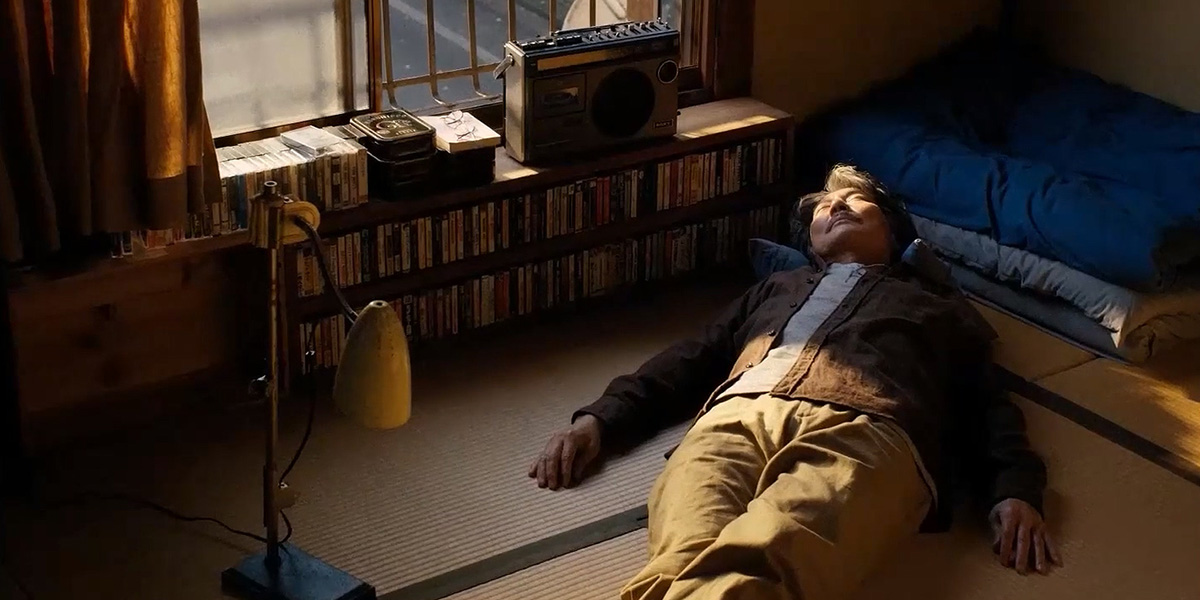
That’s what makes him a complex character. It looks like he’s just living simply… but it’s a conscious choice. And when his relative comes to visit, you see him deliberate, or at least reflect, on the weight of that choice and the trade-offs and sacrifices he’s had to make in pursuit of this life.
My brain doesn’t work that way. I crave people. I crave conversation. I see solitude - like a rare day spent working alone, not seeing anyone - as some kind of punishment, and definitely not peaceful.
So while I can see his choices as admirable - maybe even enviable - they also feel distant and unrealistic. I respect them, but I also resist it. And maybe that’s why the film didn’t hit the way it might for others. Maybe that’s why I struggle to see that kind of life as anything but a bit bleak, and have to actively work to romanticise it at all.
Despite this, Hirayami seems free and content. And he’s built a life full of meaning on his own terms.
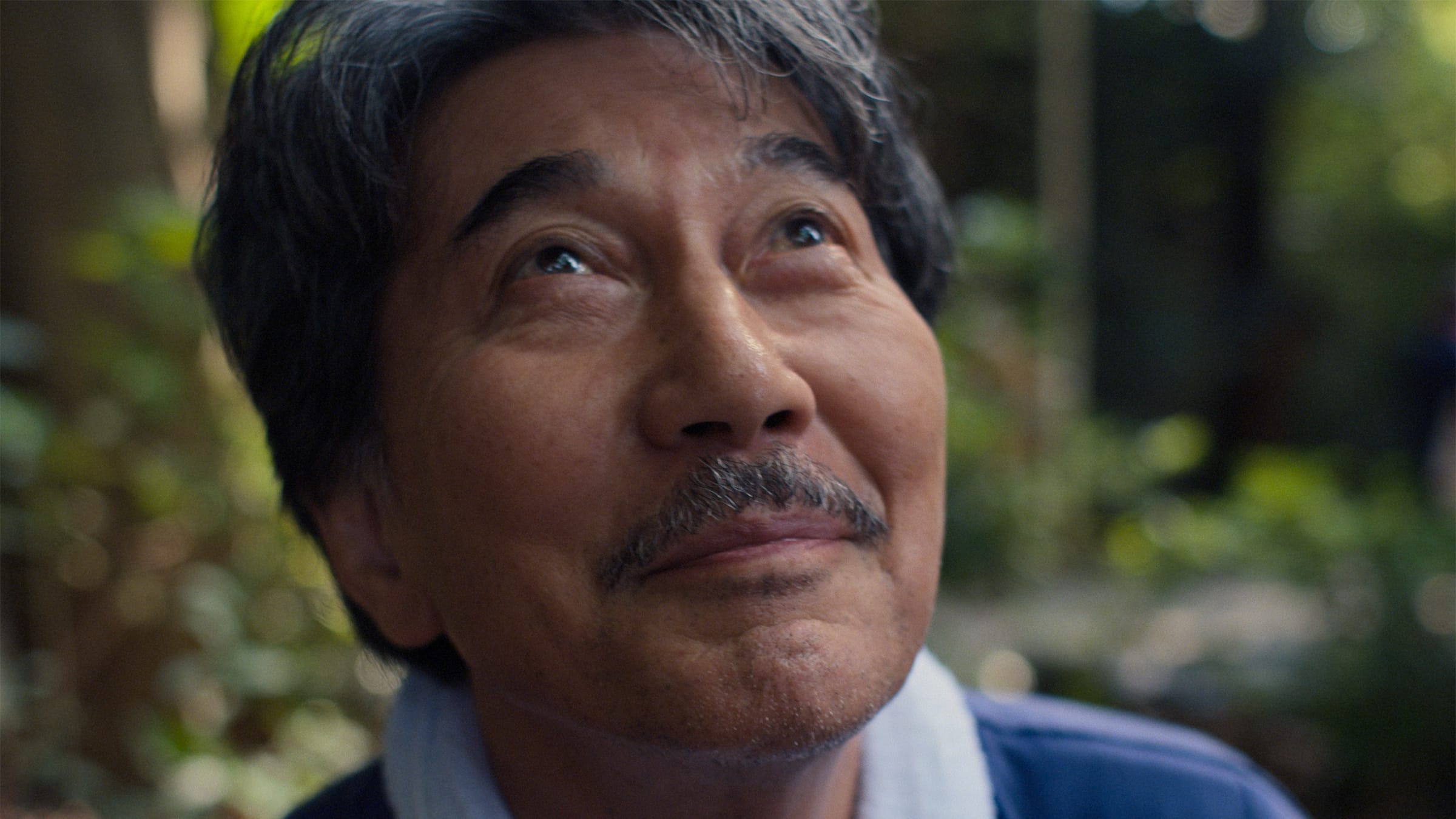
That’s what stuck with me. It speaks to the part of me that hopes I can one day feel more at ease with wanting less. More comfortable with being alone and having less going on (which is an ongoing and complicated internal battle).
And as I’ve written this - alone in my room on a lazy and somewhat depressing Saturday, after waking up at literally past 1 pm following a hellishly intense week (which, to be fair, is a near once-in-a-decade-level anomaly for me) - I’ve found myself appreciating solitude more. Though, if I’m honest, my hustle-conditioned mind mostly appreciates the productivity it yields. Which, of course, is part of the problem. Still - maybe there’s a little more space in my life for this kind of stillness than I thought.
So yes, I found the film a bit boring. It’s slow. Repetitive. But I think that’s the point. Wenders’ medium is the message. It had to be that way - slow, quiet, uneventful - because it’s holding up a mirror to the version of peace we say we want, but don’t quite know how to live with. A meaningful life isn’t always the most entertaining and some things aren’t designed to grip you. It just seems that they may linger for far longer than you’d expect.
I’m not sure I’d watch Perfect Days a fourth time - though, to be fair, I’ve yet to make it through fully awake. But I’m still thinking about it… which, to me, means it’s done its job.