Cannes Lions, Four Weeks Later...
On Ads, AI, and the Art of Just Showing Up
🗓️ July 20, 2025 📖 13 min read
I didn’t plan to write this as a blog post.
Originally, it was meant to be a short LinkedIn update - a standard “just got back from Cannes” kind of post. And for the record, I did draft that post while I was still at Cannes. But I couldn’t find an appropriate picture (literally, I do not have a single picture of myself at Cannes this year).
That was the bottleneck, honestly. Nothing like a missing selfie to derail your progress.
So life got in the way, work got busy, and now it’s been… literally a month. Funny how the longer I waited, the more I felt like I had to say.
So here it is: a slightly delayed, more reflective look back on my week at Cannes Lions 2025.
Cannes Lions... and Me
Who knew I’d find myself in Cannes three times in the last four years?
I’ve been to the Film Festival twice, but the Lions always felt like the missing piece - the one I needed to round out the full Cannes experience.
It’s still a surreal sentence to type - especially when I think back to entering Young Lions in 20181 and not placing.2 No cigar. (Literally. No Cohiba handed to me on the Carlton terrace…)
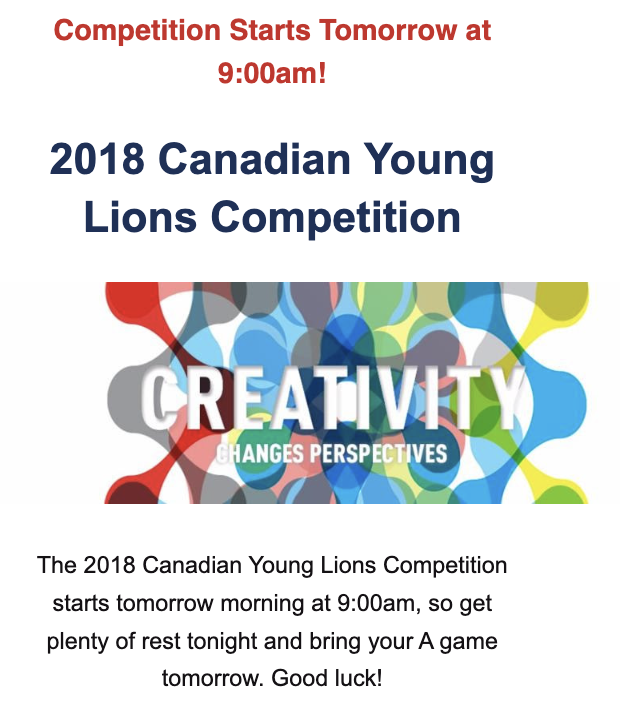
1 I went back and dug up my submission - and wow. I think I might actually get cancelled for my entry (it was a different time, okay?). That said… hilarious in hindsight. My partner and I may have predicted the rise of Barbie in 2023 a full half decade early. So I’m either a visionary or a time traveller (possibly both).
2 In my defense, I’m pretty sure it’s impossible to qualify unless you work for a massive global consumer brand. I don’t (and I didn’t) and I probably will not in the foreseeable future. So yes, that particular dream is a little… paused. But that’s okay, it seems like I made it there anyway - and earlier than planned! One day, maybe, there will be a global consumer ad campaign with my name on it. Stranger things have happened.
Why Cannes Lions Still Matters
Before I ever attended, Cannes Lions lived in my imagination as this mythical collision of the world’s best creatives and marketers - sun, sea, strategy, and the occasional yacht-fueled ego trip. And, well, that’s all still true. Especially as we looked out for Jeff and Mark’s superyachts moored in the distance - an ominous, shimmering reminder of who really runs the media machine.
But once you’re inside the experience, it’s more layered than the clichés suggest.
There’s a reason this festival holds its place centre stage in the marketing calendar year after year. It’s not just the parties, the panels, or even the rosé (though there’s plenty of that). It’s a celebration of creativity - in all its forms. Not just polished, cinematic Super Bowl ad storytelling, but also the scrappy, data-driven kind (like a perfectly optimised in-app offer 👀).
Creativity isn’t confined to a format. It’s also in the media strategy, the targeting logic, and the models deciding - silently, algorithmically - who sees what, and when. AI is creative, too. We have the kind that solves real problems, drives results, and makes people feel something.
That’s part of what excited me about being there with Moloco. We’re not a traditional adtech company. We don’t just make ads more efficient - we help marketers unlock new, smarter ways to grow. We do it faster, with more relevance and precision. And, hopefully, with more meaning.
Being at Cannes gave me a front-row seat to the conversations shaping that future.
Here are four things I observed, learned, and took away from the week.
1
Marketing is translation work... and sometimes the best conversations start with a t-shirt.
Cannes is chaos. From filmmakers and adtech veterans to VCs, consultants, professors, agencies, big brands, and scrappy startups doing brilliant (and sometimes wonderfully weird) things… everyone’s up for a chat. I moonlighted as a salesperson that week, and found myself giving the pitch at the booth at least 200 times - and weirdly, I didn’t mind at all (I honestly kind of loved it). What stood out most were the moments you couldn’t script - unexpected, occasionally surreal and chaotic, but never boring.
And that’s the brilliant thing - everyone’s there to learn something, discover something, share their story, or make something happen. It’s expected and welcomed - none of that awkward small talk energy you get at some conferences. It’s easy to get into real conversations, right from the jump.
It’s because this industry is complicated - but it’s also fascinating. We’re in a moment where marketing conversations bleed into tech, ethics, regulation, and culture. One minute you’re talking about AI creative or attribution logic; the next you’re debating digital consent, deepfakes, or the fact that everything is recorded.3 Kind of like Black Mirror - except it’s real, it’s commercialised, and it’s running on GPUs. Weirdly, that makes it kind of… hot. Not just high-stakes, but cool to talk about.
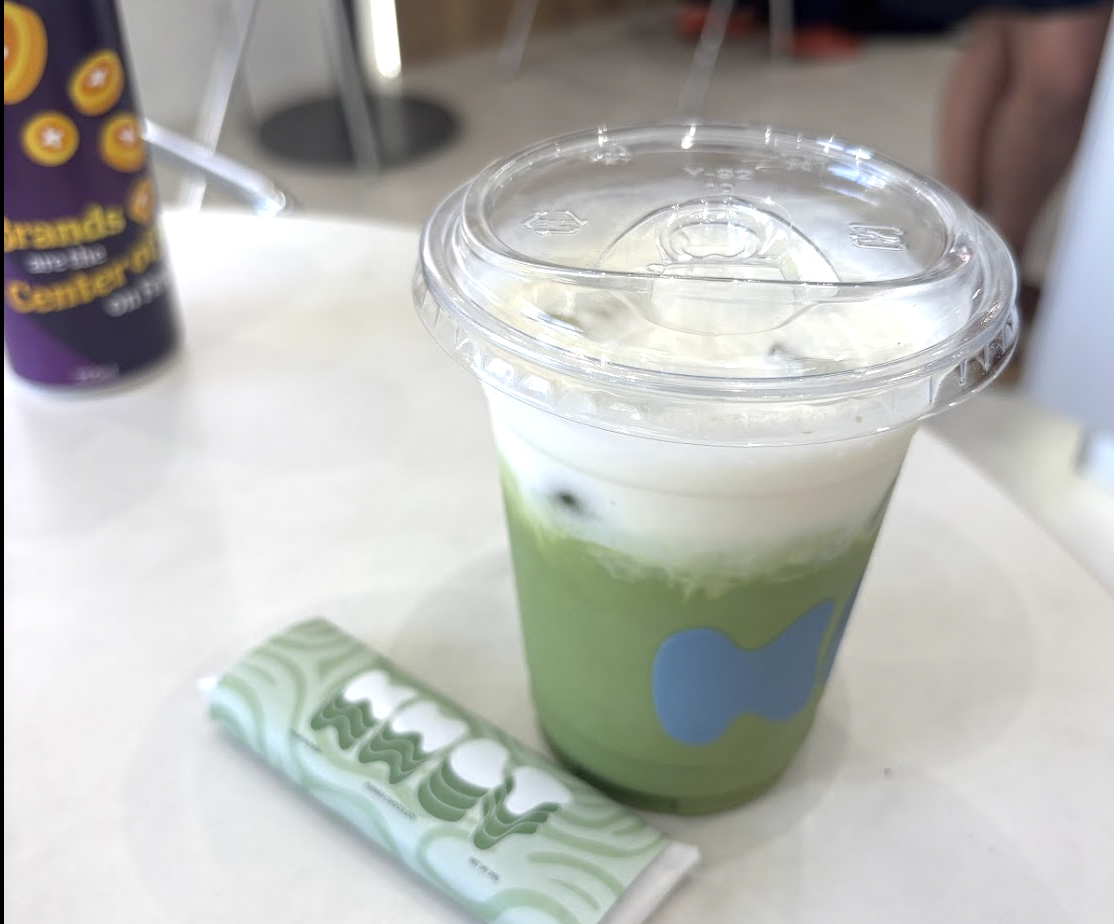
On the last day, I complimented a guy on his Knocked Loose t-shirt (in a Dubai-originated café, naturally, where I paid a slightly humiliating €12 for a vanilla oat matcha latte - mark behaviour 101). We ended up talking campaign strategy and his team’s experience competing in the Lions from Jakarta. The juxtaposition of metalcore, matcha lattes, and media buying was… perfect.
Across the week, I spoke with startup founders, academics, VCs, brand leads, management consultants, creatives - often within the same few hours. Just to give you a slice of the range: I had a great conversation with a director of photography from Brazil. Then, a couple of advertising professors from OCAD - also shirt-inspired (I had to shout out my hometown… honestly, more of us should wear shirts that start conversations). Several minutes later, I was pitching the future of retail media to partners from MBB. A few people even came back to the Moloco cabana just to say hi again - and in a sea of thousands, that meant something (and I really appreciated it! 🥹).
Then - because Cannes - came the parade of celebrities and influencers. I’m notoriously terrible at remembering names, but I do know that Patrick Schwarzenegger strolled by (which felt especially unhinged because I had, just days earlier, watched him in that scene with his on-screen brother in White Lotus). I unfortunately mistimed my lunch break and missed the photo op.4
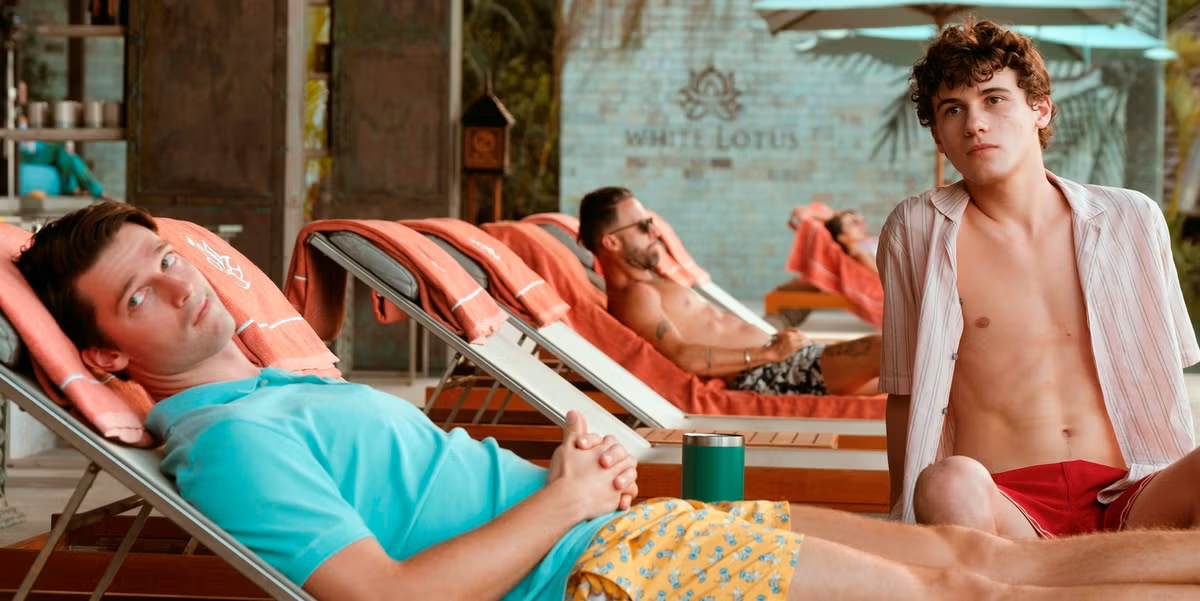
Winnie Harlow also made an appearance - iconic - and then a blur of influencers whose names I don’t know but whose presence was certainly felt. One even walked in, demanded we clear the floor for a private meeting, and insisted that we invest in her completely unrelated lifestyle brand. (This is the kind of surreal that’s… slightly less ideal.)
The mental pivoting was real and fierce - and honestly, my brain loved it. I met people from everywhere. Across geographies, industries, and philosophies. And those conversations, sometimes random or unrelated as they were, made me better at my job.
Because in marketing - especially in strategy or product - you have to be a translator. You have to meet people where they are, make it relevant to them, and pivot fast between mindsets. Cannes was like a bootcamp for that. And I think I walked away from that week sharper, more curious, and a little more prepared for the next unexpected conversation - t-shirt or otherwise.
3 Wait… is that why Richard Russell called his music project “Everything Is Recorded”? Because… everything is literally recorded? This is blowing my mind.
4 Yes, I digress. Often. But that’s where the fun ideas hide.
2
Ads aren’t just evolving - the entire engine behind them is.
The phrase that stuck with me most? Operational ML.
Everyone’s talking about generative AI, but there’s something discreetly powerful about the AI you don’t see - the systems that decide what gets shown, to whom, and when. The invisible machinery that matches intent to moment. That’s the engine behind the success (and profitability) of companies like Meta and Amazon. Forget the social platform, the Prime membership, the shiny Instagram stories feed - this is the layer that makes everything hum…
Or, to borrow from Zuck himself: “Senator, we run ads.” And now that I’m in this space with Moloco, I’ve realised just how much creativity lives in those unseen decisions.
I’ve always had this semi-formed obsession with how the world runs. Maybe it started when I read Bullshit Jobs - not because I think marketing is one (and neither did Graeber), but the book reframed how I think about work, value, and this strange loop of desire and transaction that we call the economy. Marketing creates demand. Finance facilitates the transaction. And people keep buying.
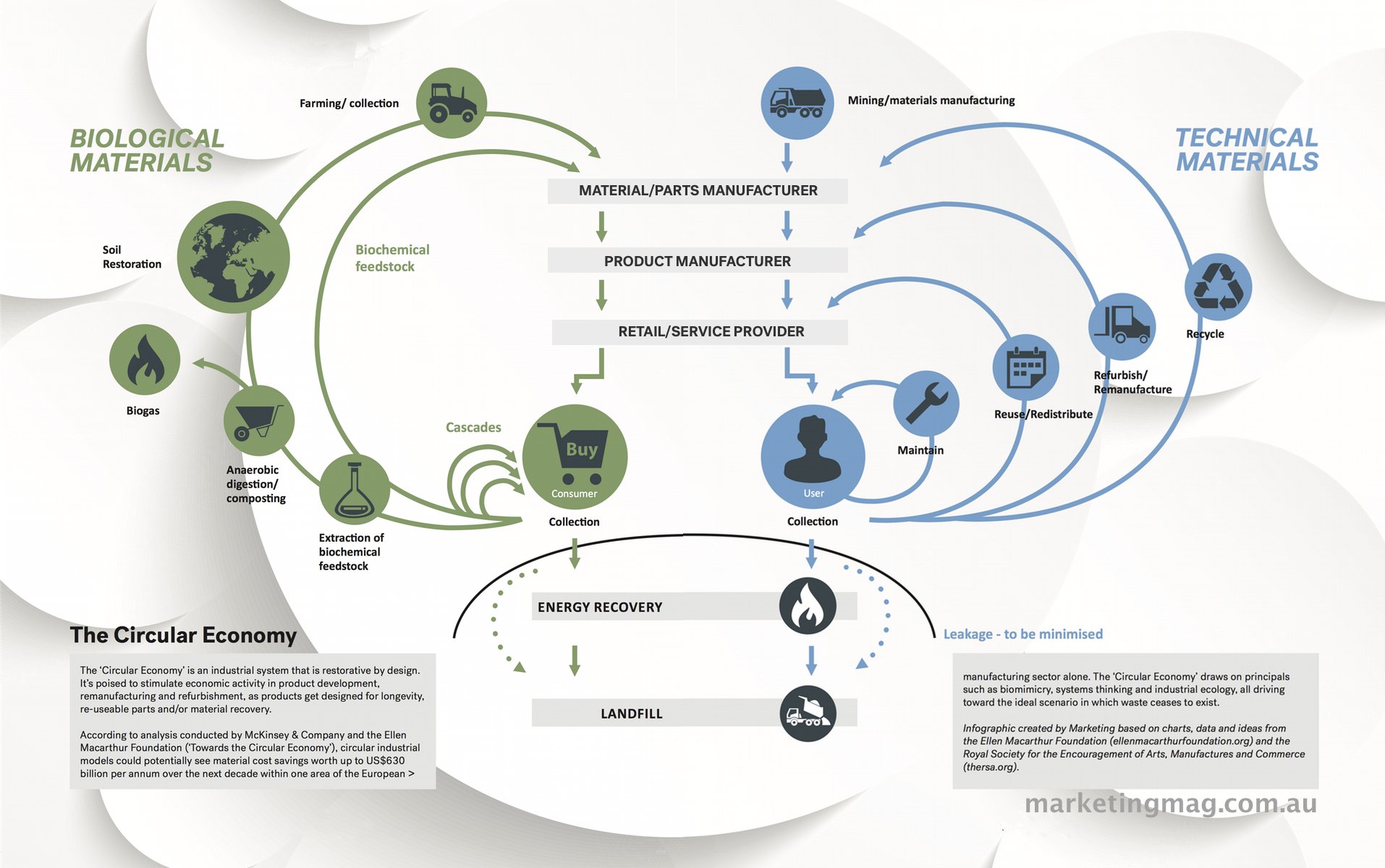
Basically, it’s all one giant siphon of value creation — or redistribution, depending on how cynical you are. Picture one of those red-string conspiracy boards, or more accurately, that one convoluted infographic from your second-year econ textbook explaining the circular economy. It’s all connected, sort of confusing, and somehow still functioning.
So yes, I see myself as a cog in the demand-creation machine as a marketer. But I don’t think that’s an inherently bad thing. Advertising isn’t evil - buying stuff is human. We want things. We need things. We’re shaped by stories. And good marketing, when it’s done well, is just another form of storytelling.
At Cannes, I got to tell some of those stories - the kind that people don’t expect to hear from an adtech company. Like how Moloco reaches 2 billion daily users across 3 million mobile apps - more than TikTok and Instagram combined. That kind of reach is staggering (what we call planetary scale…), and most people have never heard of us.
Or how we give advertisers transparency into exactly where their ads run, how their budget is being spent, and what’s actually driving performance - which, in a world full of walled gardens, click fraud, and bad actors, feels like a slightly radical idea.
And, lastly, how broken the system still is. So much media is bought inefficiently, with inventory left unsold just to protect pricing, measurement models skewed to favour platforms over performance, and there’s a huge disconnect between where attention is and where spend goes. It’s a well-worn phrase at Moloco - one we reference often and champion whenever we can - that roughly 70% of mobile attention now lives outside Google, Meta, and Amazon… but only 30% of ad dollars follow it. That gap is a $100 billion inefficiency… and that’s the space we’re playing in.
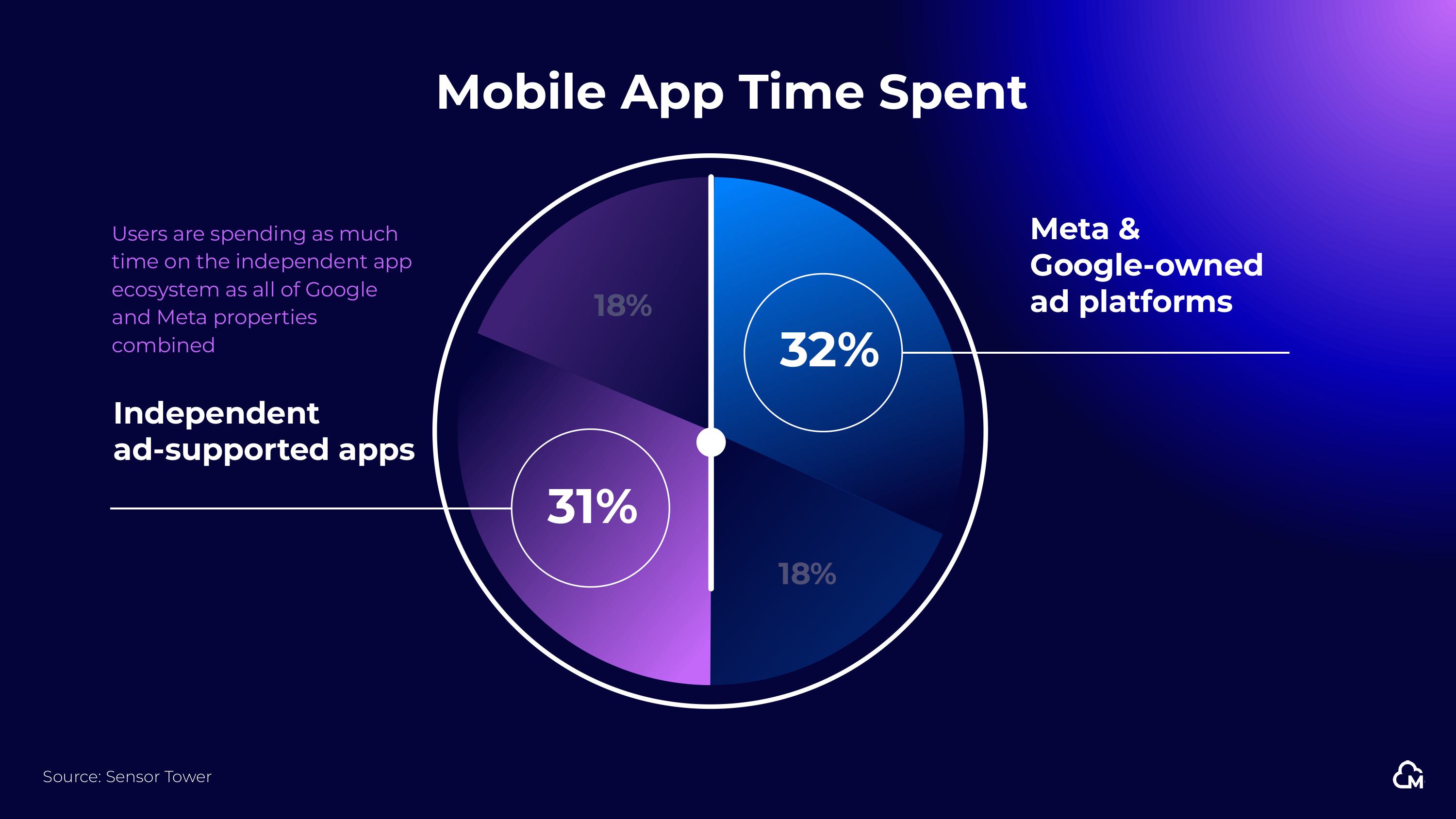
These aren’t just product features. They’re principles for us. And as someone who cares deeply about how the machine works (and who it works for), getting to tell that story - with clarity and a little edge at times - felt really good.
3
In-person marketing isn’t old school... it's the new edge.
We spend so much time talking about digital transformation that we forget how transformative presence can be. Just showing up - in person, in the moment - creates a different kind of insight.
It’s also why I think field marketing is going to matter more than ever.
At Cannes, we showed up with our Moloco cabana: a thoughtfully designed, brand-forward space that was the product of weeks of planning, alignment, logistics, and strategic debates. It was a proper labour of love - a smaller footprint, maybe, but filled with purpose.
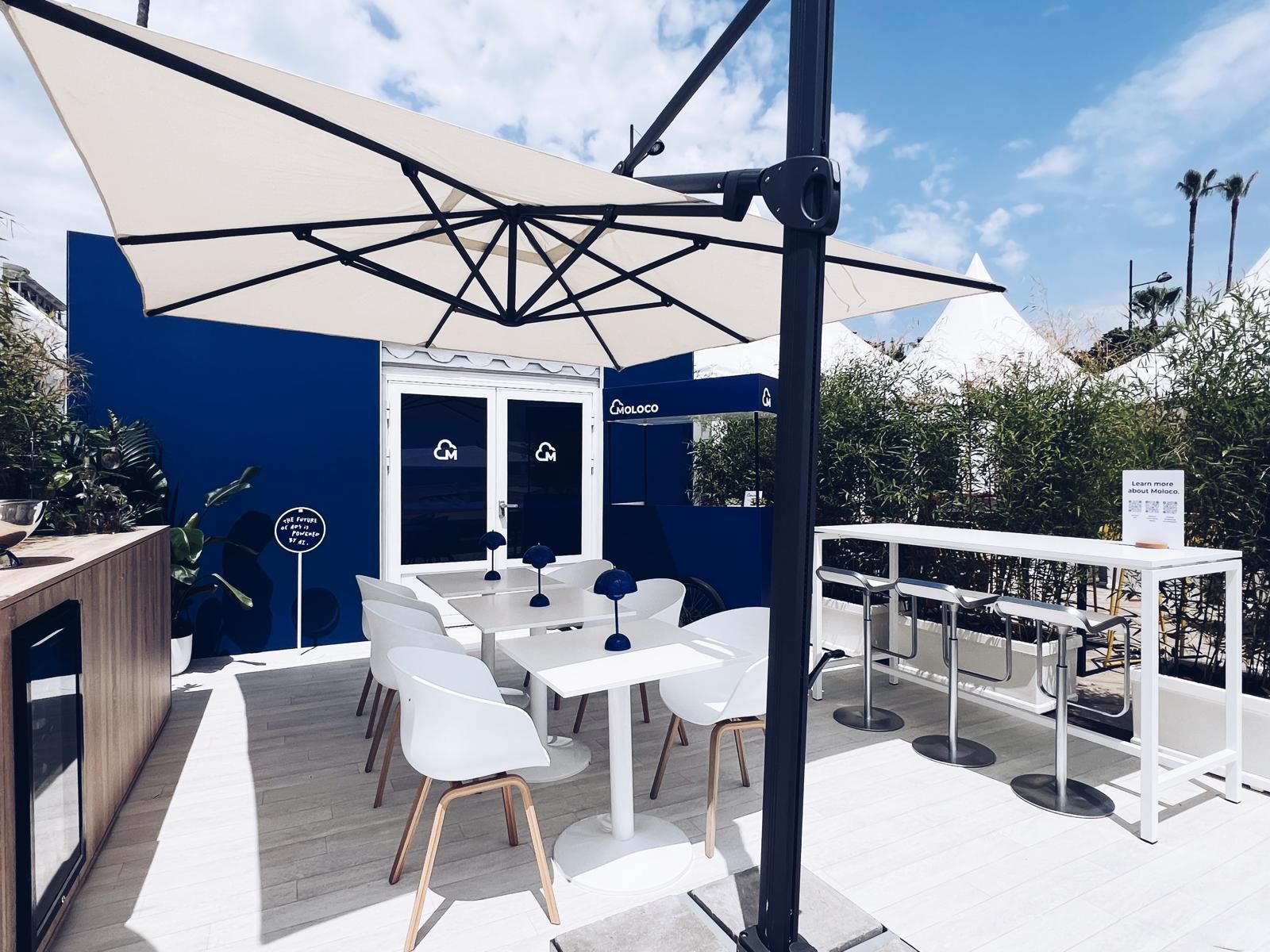
And then you look around. Meta Beach. Spotify Beach. Amazon Port. These companies didn’t just sponsor a panel or rent a yacht. They literally owned physical corners of Cannes and claimed territory. Full-on beachfront empires. If the Croisette is the stage, they were building their own fortified kingdoms - and the rest of us were humble villagers. It’s more than just presence. It’s theatre and choreography. It’s storytelling in 3D.
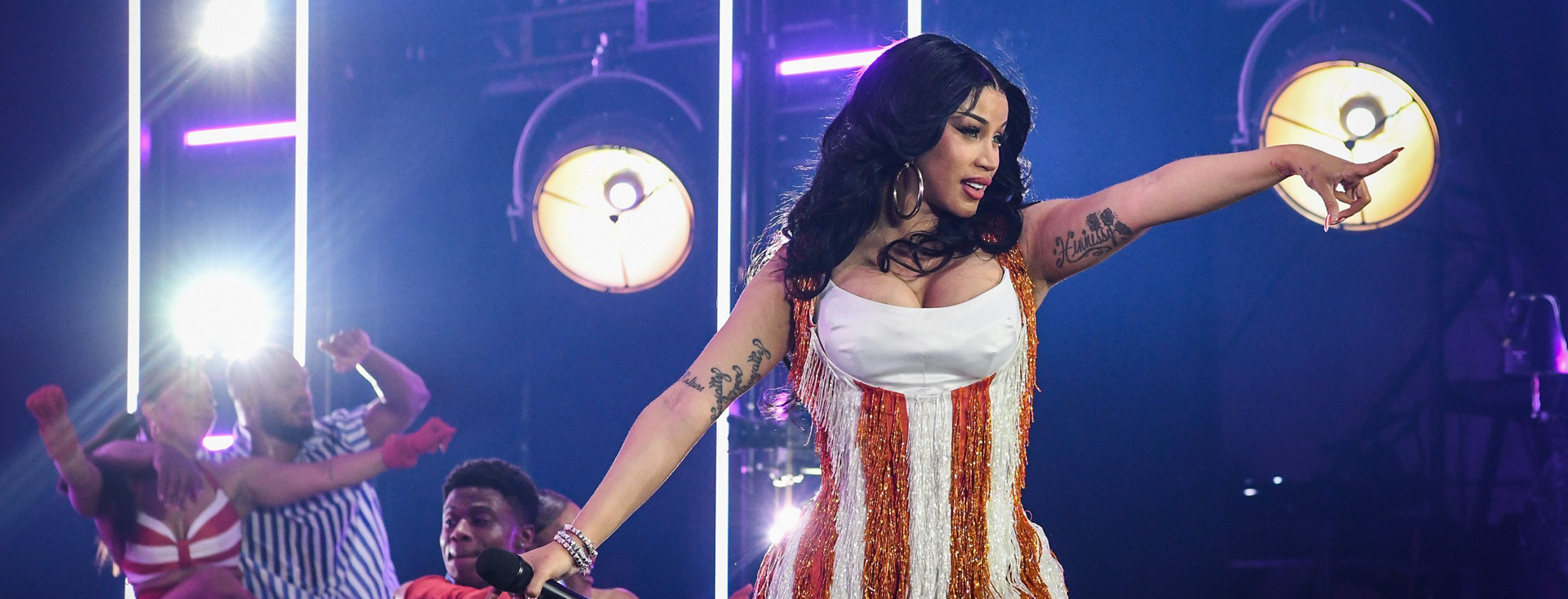
And as a marketer - especially one starting to work more in field - I felt like a kid in a candy store. It was a masterclass in immersive brand experience and activation. They were wild - from music stages, full storefront and restaurant takeovers, interactive installations with lines out the door. You could see the scale, the planning, the intent (and budget) behind every detail - and it was all designed to impress… other marketers. Which, honestly, is no easy crowd.
Even the most jaded CMOs can respect that. You might forget the panel schedule, but this kind of IRL experience stays with you… Maybe it’s the only space on the Croisette with plug sockets and surprisingly good coffee, or the hands-on demo that actually taught you something, or the unexpectedly great chat you had over a frosé.
That’s why field marketing matters. When you show up with intention and a bit of personality, it sticks. You’ll remember how a brand made you feel. And that, at its core, is what great marketing does.
Especially now - yes, in this “hyper-digital age” (I know, it’s a trope, but it’s still true) - physical presence has a kind of power we keep rediscovering. It creates context and connection. It builds trust. It commands attention in ways that pixels and emails can’t.
And for a week in Cannes, we got to be part of that. Not just as attendees, but contributing to the experience. We may not have beachfront kingdoms (yet) but we showed up with purpose, and at times, it felt like the right people were there, listening.
4
Real culture shows up when no one’s watching.
There’s something grounding about being in one place with people who are usually just profile pictures. Cannes was full of spontaneous exchanges, shared ideas, and that subtle buzz that only happens when you’re face-to-face.
But what stood out most for me? I want to talk about the people at Moloco.
It’s easy to say you’re humble and “down to earth” - but they really are. The execs, the BU leads, the folks who flew in for just a few days… all incredibly smart and kind. When someone mentioned they were trying to fly home early to catch their daughter’s first recital, I just sat with that moment for a bit.
And one illustrative moment that really stayed with me - just one example among many, to be honest. A woman stopped by the cabana and mentioned that one of her good friends works at Moloco. After chatting for a few minutes, one of our execs - who was there in the conversation with me - said, “I’ll let her know you came by.” She lit up.
After she left, he immediately messaged our co-worker on Slack.
“Hey, we bumped into your friend at Cannes.”
I asked, “Wait - do you actually know her?” And he said, “No, I don’t.”
I laughed and said, “Oh - I thought that was just one of those polite things people say.”
He smiled and replied, “I just like to follow through if I say I’m going to do something.” Not in a performative way, just matter-of-fact. It was thoughtful and kind of charming. The kind of small action that says a lot about someone.
That’s what I love about this stage of Moloco (under 800 people): it still feels warm and human. People are sharp, ambitious, but grounded. Of course there’s a little ego - that’s normal - but it doesn’t dominate. There’s a humility that balances it out. This part of the culture feels consciously built and consciously maintained. And in tech, that feels rare.
Final Thought:
Creativity isn’t going anywhere - but it is changing. That’s a good thing.
One of the biggest themes this year was how AI is reshaping creativity - not replacing it, but expanding what’s possible. The best work ahead will come from teams that embrace both sides of the brain: the imaginative and the analytical. Art and algorithm. Feeling and feedback loop.
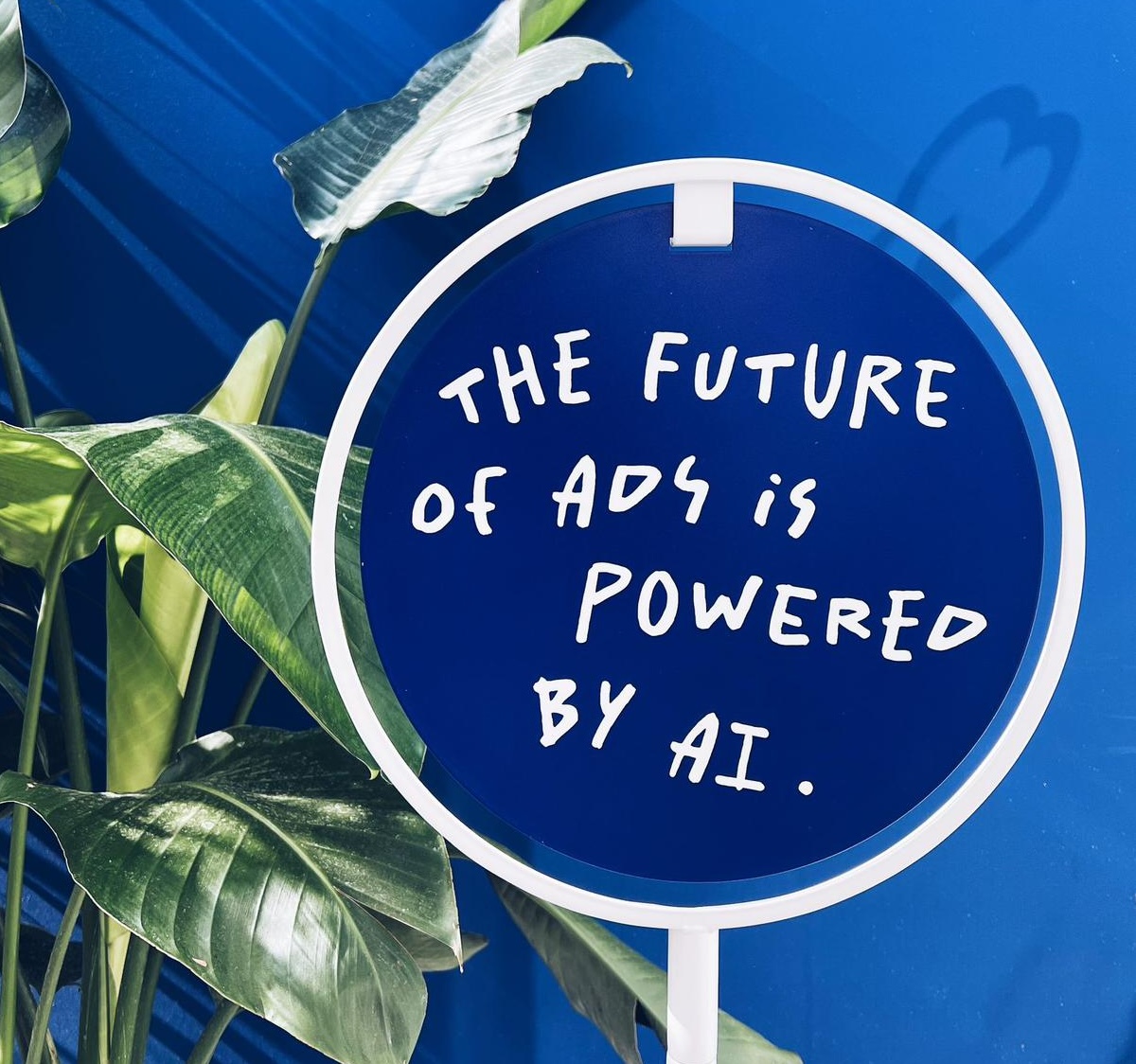
That’s why I’m so energised about where we’re heading at Moloco. We sit right at the intersection of performance and possibility - helping marketers grow in ways that are both measurable and meaningful.
And in a world that moves fast (and scrolls even faster), it’s rare to find space to pause and reflect. But Cannes gave me that - not just in hindsight, but in the moment, too.
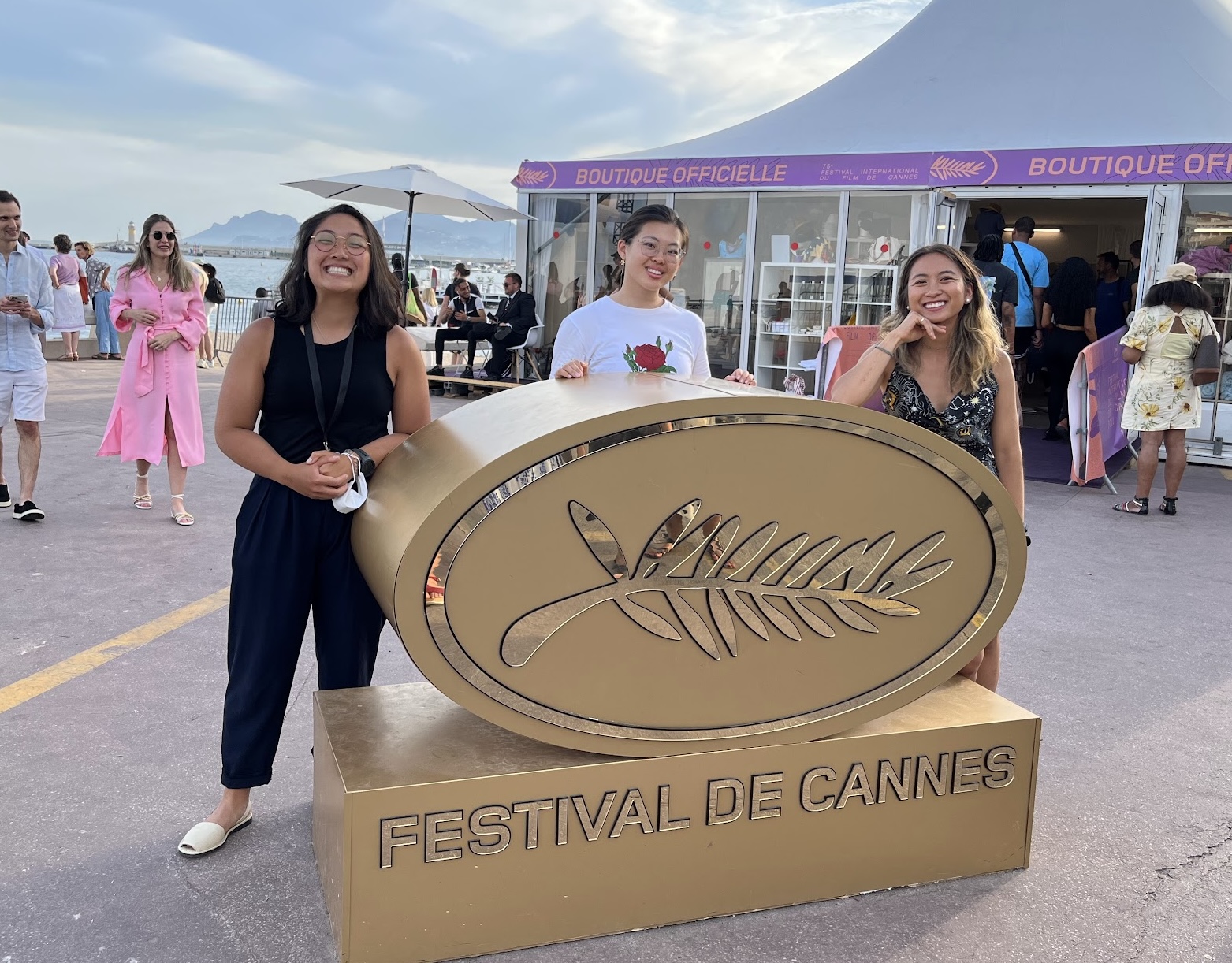
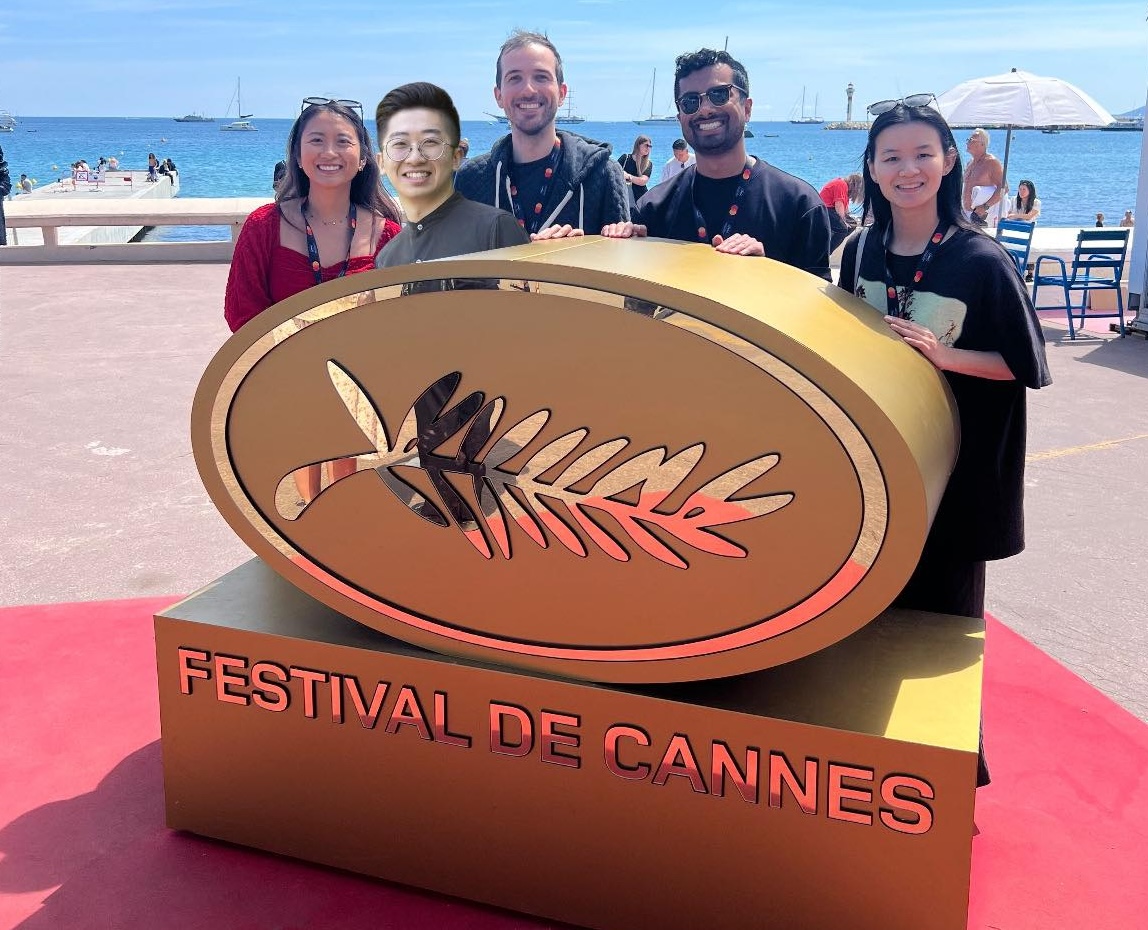
Oh, and yes - finally, some proof I was actually there! In front of the Palme d’Or sign. Twice. Honestly, what more do you need? (Not this year, but that’s a minor detail.)